


In-house manufacturing means a clothing brand owns the facility where its fabric is knitted, cut, and sewn, rather than placing orders with an outside unit. The practical difference is control. Fabric weight, finishing, and quality checks all happen under one roof, so a fault gets caught on the line instead of in a customer's parcel.
Most brands never see the line
Most clothing labels in Pakistan are not manufacturers. They design, they market, and they hand a tech pack to a third-party unit that is also producing for a dozen other names that month. The arrangement works until something goes wrong, and when it does, the brand usually finds out at the same time the customer does.
The failures repeat. Prints applied as heat-transfer film that lift at the edges after a few washes and sit on the back like paper. Seams that open at the shoulder. Sizing that drifts between one production run and the next, because a different operator cut the second batch and nobody was standing there to check.
What in-house manufacturing changes day to day
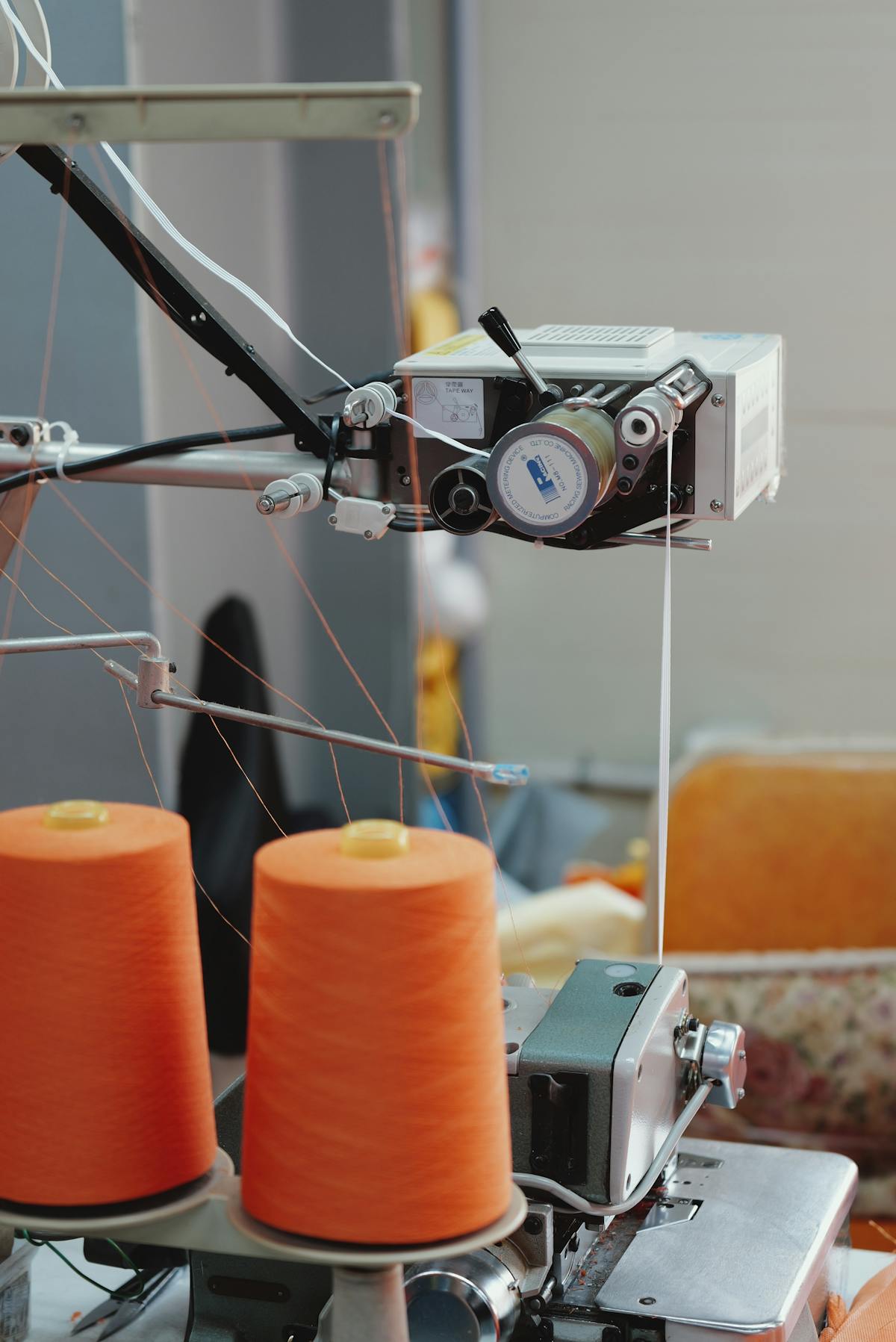
COZY is built the other way around. The fabric is developed in the same Karachi facility that sews the garment, on machinery the family has run for forty years. COZY Cotton, Studio Terry, Studio Fleece, and COZY Scuba all come from that building.
Owning the step decides things a tech pack cannot. Fabric is knitted to a specified weight rather than accepted at whatever the supplier happened to have running. Every piece is pre-washed before it ships, which is why it does not shrink. Colour is matched across a run instead of across two suppliers. And a batch that comes off the line wrong gets stopped, because the people making it and the people selling it are the same people.
What it costs when you do not have it
Muhammad Ebrahim Kochra, COZY's Director of Operations, laid out the alternative in his interview on Nukta's Scaled series. COZY's first drop was 400 pieces, finished a week before a Mashion pop-up in Karachi. A hundred of them were white. The supplier skipped a step in finishing and all hundred came back permanently creased. Nothing would take the wrinkles out.
The advice around him was to sell them anyway and call it a design choice. He wrote off a quarter of the brand's opening stock instead. A separate cap order, sampled well and paid for in full, came back with embroidery and stitching that were not sellable either.
Neither of those is a decision a brand gets to make when it finds out late.
Faster, better, or cheaper
Ebrahim repeats a line he was given early on. A business can be faster, it can be better, or it can be cheaper, and reaching for all three is how a brand ends up with none of them. COZY committed to the first two. Speed comes from controlling the production calendar rather than queuing behind someone else's order. Quality comes from checking the work before it leaves the building.
That choice shapes the product itself. Knitwear first, cut for daily wear, in fabrics developed for how people actually dress in Karachi rather than borrowed from a supplier's catalogue. Woven shirting is next, and the same rule applies to it.
The full interview covers the rest of how COZY was built, including the family investment behind it and what has to be in place before export makes sense. To see the manufacturing side directly, start with COZY Cotton, or browse the Core Collection. Watch the full interview here.


